
Reflections on Engaging Middle School Boys with the Manosphere
This blog is the second of a two-part series exploring how to prevent violence by proactively engaging with men and boys. It first appeared here. Read part
This blog is the second of a two-part series exploring how to prevent violence by proactively engaging with men and boys. It first appeared here. Read part
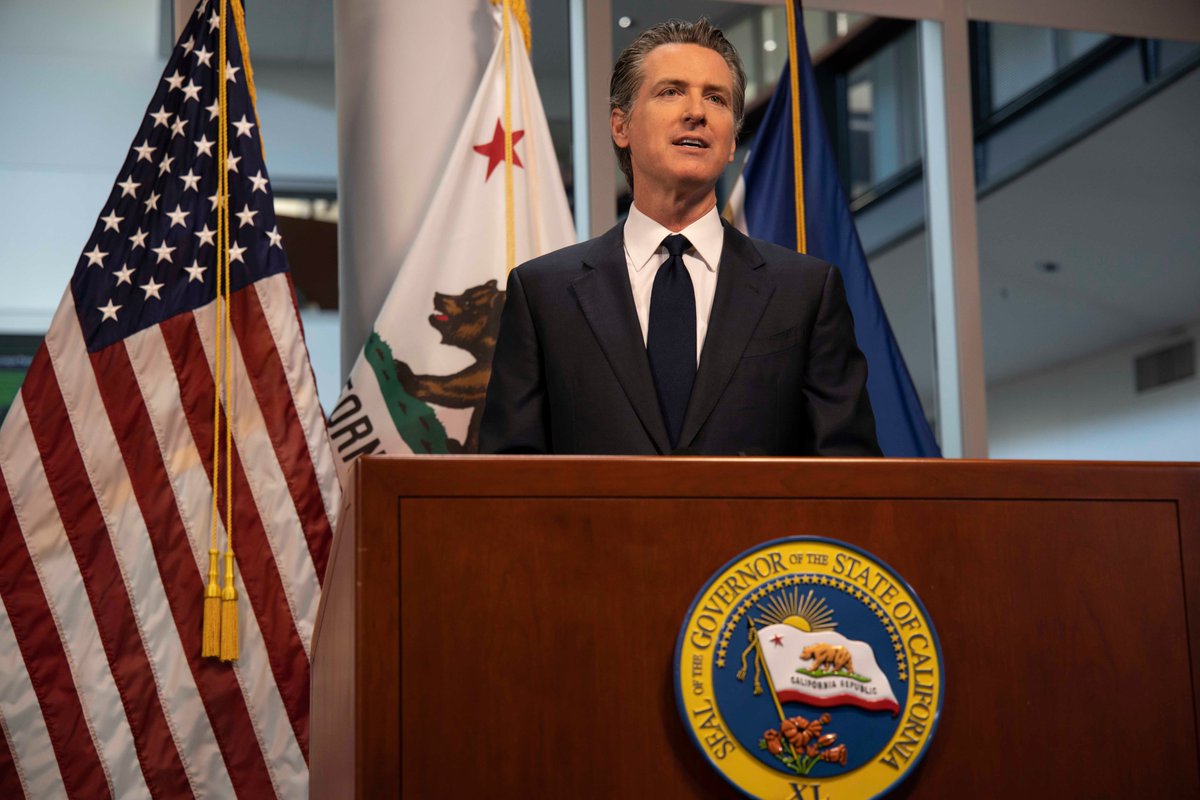
Equimundo Reaction to Governor Newsom’s Executive Order to Support Young Men and Boys’ Mental Health August 5, 2025, Washington, D.C. Gary Barker, CEO and Founder, Equimundo: “Governor

Equimundo and Next Gen Men launch Unlock You! on Roblox, a first-of-its-kind co-op game to get boys to come out of the Man Box. This game moves

This interactive lesson plan helps middle school youth (ages 12–14) explore the impact of online messages on their understanding of masculinity and manhood. Through engaging vocabulary activities,
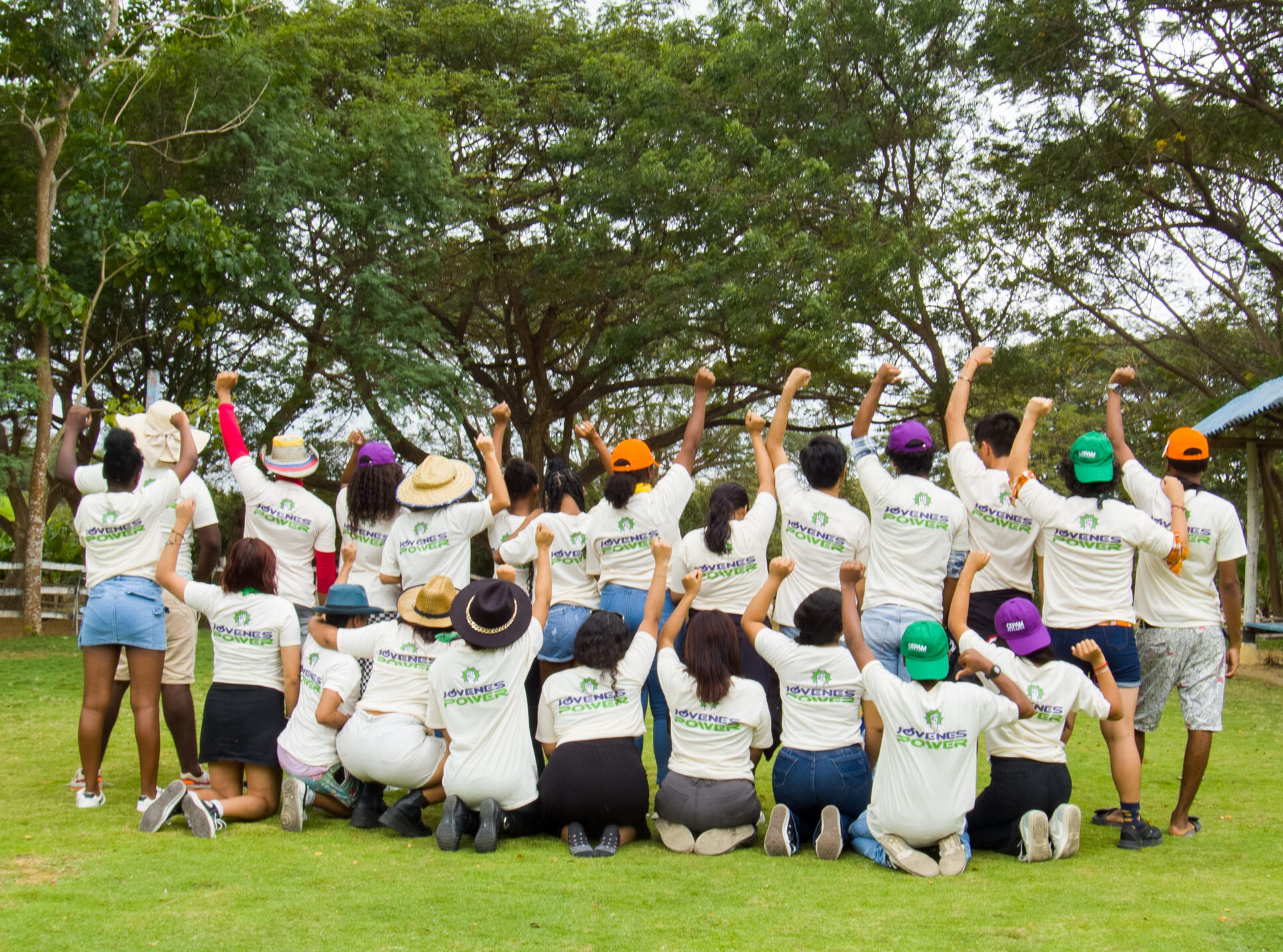
Co-created with and for youth, this manual contains everything you need to facilitate peer-to-peer processes in communities and schools that challenge harmful gender norms and promote relationships

As I finish up finals, marking the end of my freshman year of college, I find self-care more important than ever, as emotions and stress levels run
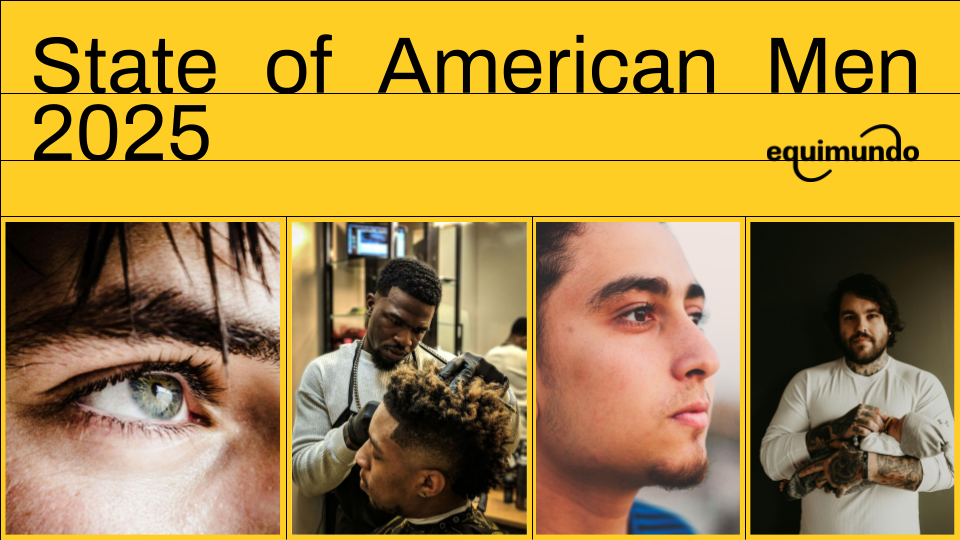
For media inquiries, please contact:📧 press@equimundo.org The State of American Men 2025 report, Equimundo’s groundbreaking biennial study that looks at the emotional, economic, and cultural pressures facing

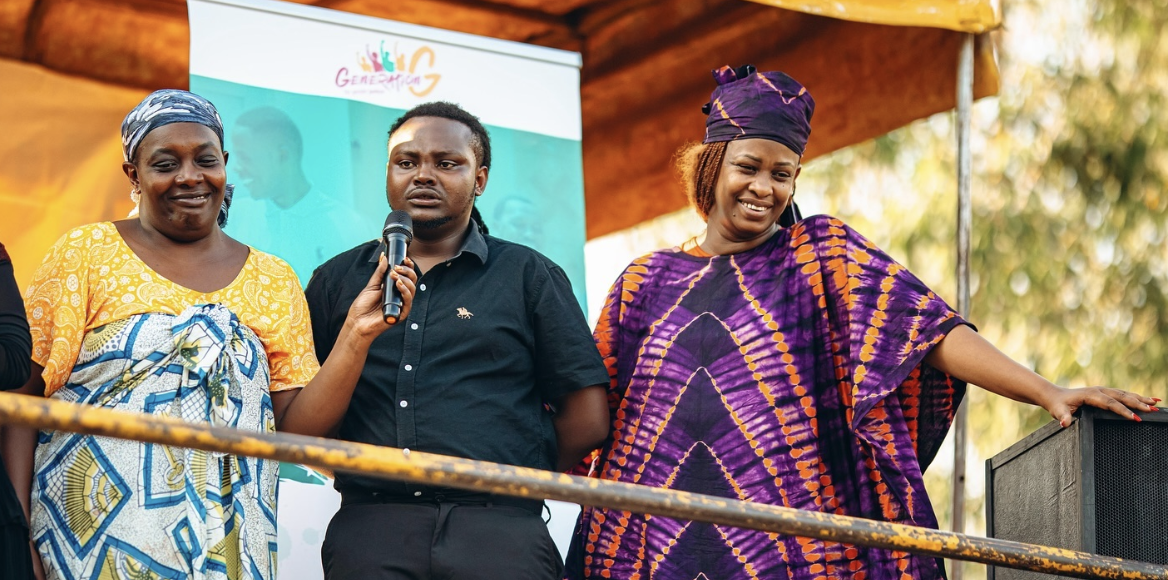
As the Generation Gender (Gen G) Men Enough campaign concludes, it’s a moment to reflect on the incredible journey we’ve shared over the past few months. Together
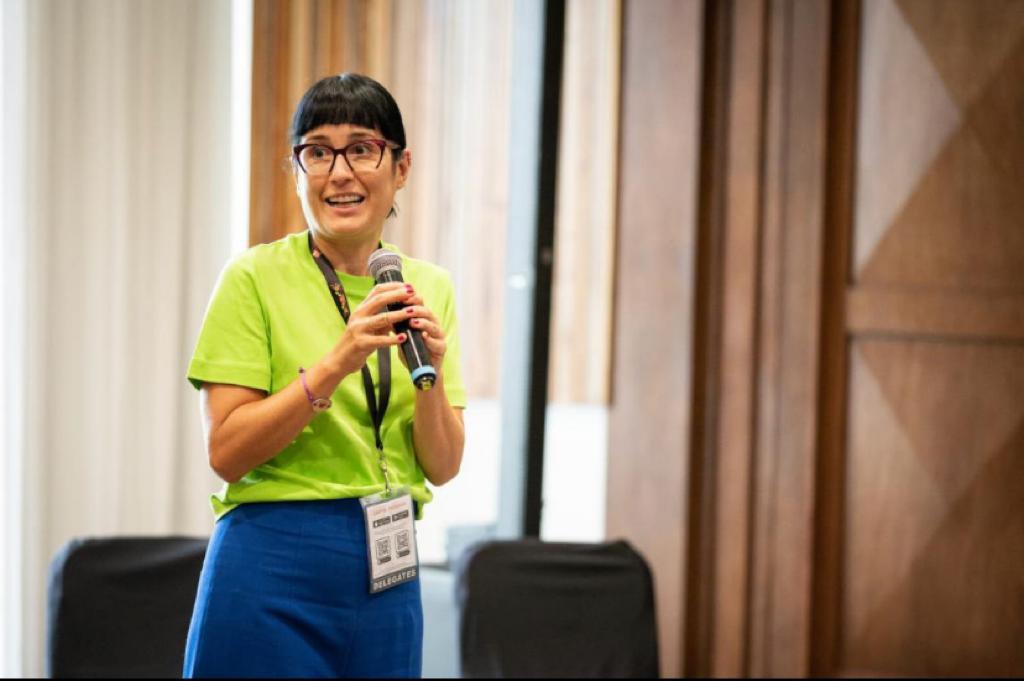
Since the day after the US presidential elections, I’ve had numerous private conversations with fellow feminist activists – advocates who have built their careers on the belief
Equimundo and SEED Foundation jointly conducted formative research, and developed two curricula that have been adapted for the context of the Kurdistan Region of Iraq aiming to create more equitable outcomes for women and men in violence prevention and healthy relationships.
Comprehensive sexuality education is still the exception rather than the norm in schools globally. Young people and children are looking to digital spaces to find information and greater understanding about the world around them, including about sex and sexuality, specifically through consumption of online pornography.
From the earliest stages of learning about their bodies, identities, attractions, reproductive choices, and desires for relationships, boys need information, services, and support – in order to support themselves and others around them.
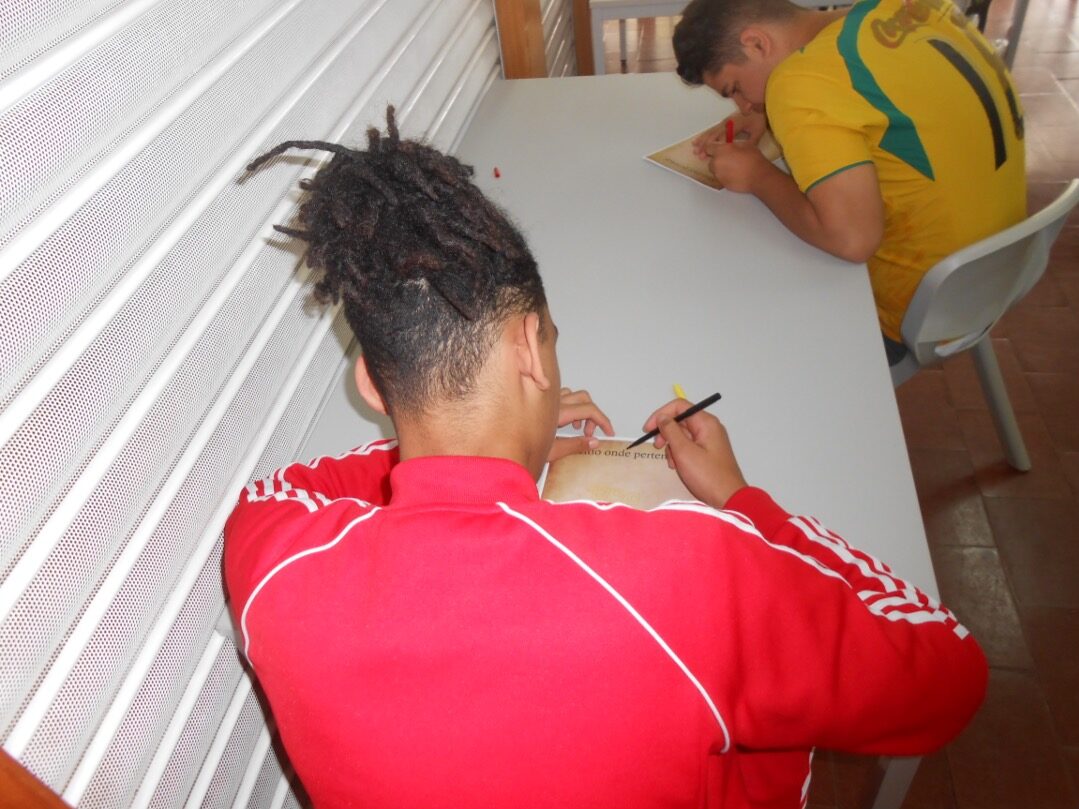
by Tatiana Moura (with Marta Mascarenhas and Haydée Caruso), Observatory on Masculinities / Center for Social Studies / Portugal Español abajo / Português abaixo In the corridors
At The Geena Davis Institute, we recognize the power of media to shape culture, and we work to shine a light on portrayals that perpetuate harmful norms, especially when they are unconsciously perpetuated. This includes narratives about mental health. We recently conducted a study about mental health portrayals on screen in the US and uncovered notable gender gaps.
When two-thirds of young men feel that “no one really knows” them, as State of American Men 2023 shows, they reveal the fragility of their connections and relationships. This “crisis of connection” collides with the reality that no one really seems to agree on what a “good man” looks like or how to become one. The combination of these two truths creates the perfect conditions for men to seek connection in the digital world via the manosphere – a diverse collection of websites, blogs, and online forums promoting masculinity, misogyny, and opposition to feminism – which swoops in to provide clear messages around gender and gender roles to make simple sense of an otherwise complicated world.
Childhood and early adolescence are key periods where ideas about gender equality can become ingrained, as individuals of all gender identities form attitudes, opinions and beliefs –
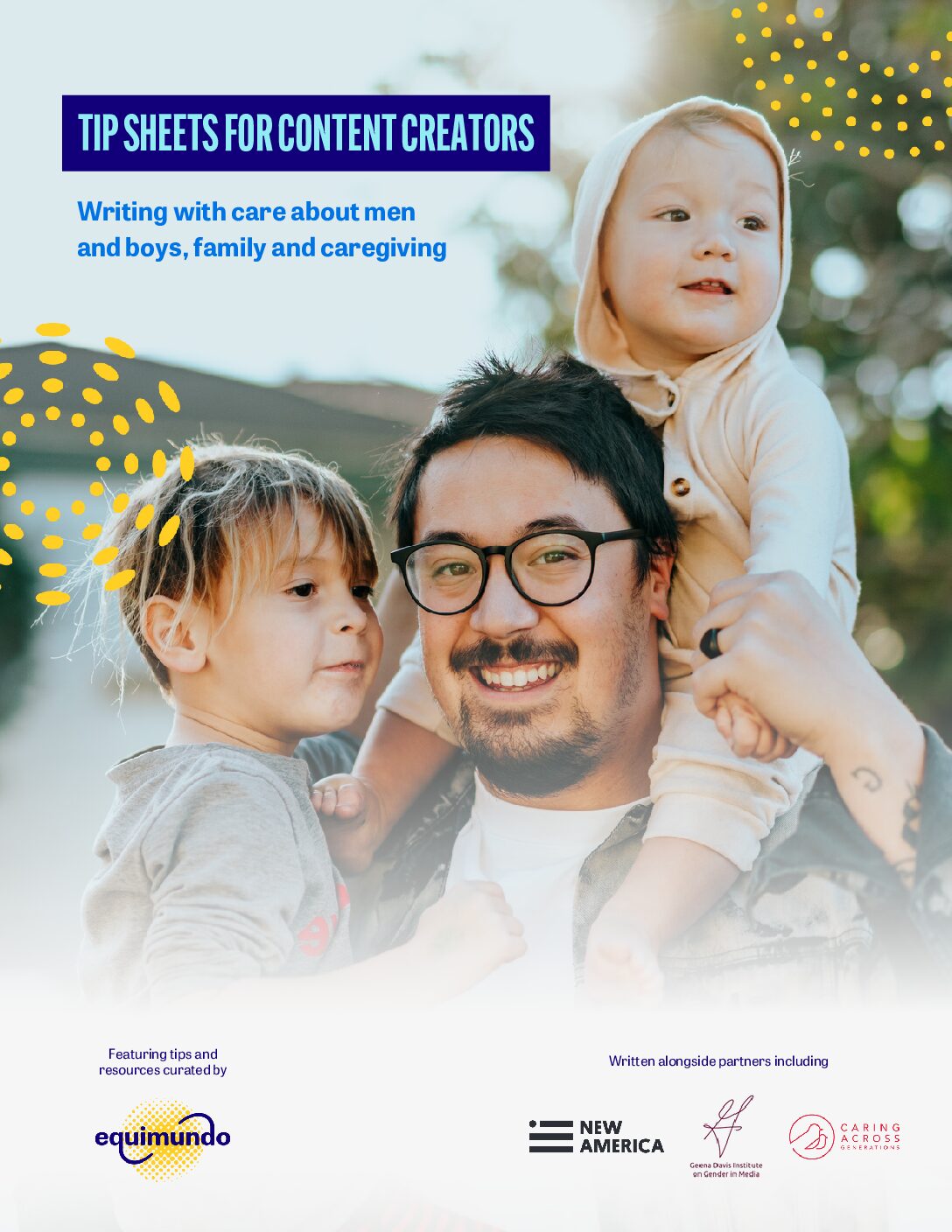
This tip sheet provides recommendations for television writers and content creators on how to play a role in creating a gender equal, nonviolent future – and how
In a world where conversations around sexual and reproductive health can be shrouded in stigma and secrecy, it’s essential to create safe and inclusive spaces for young
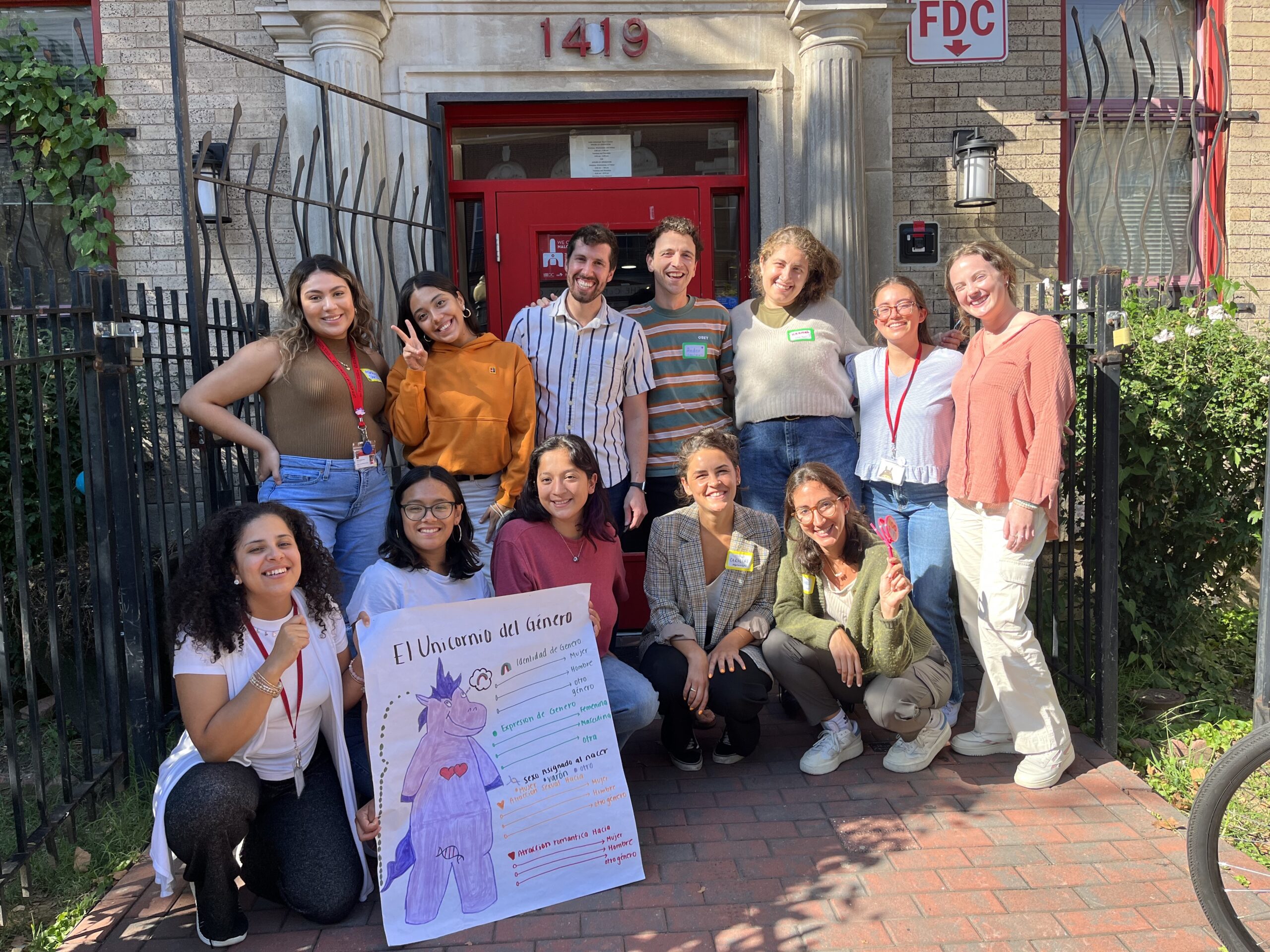
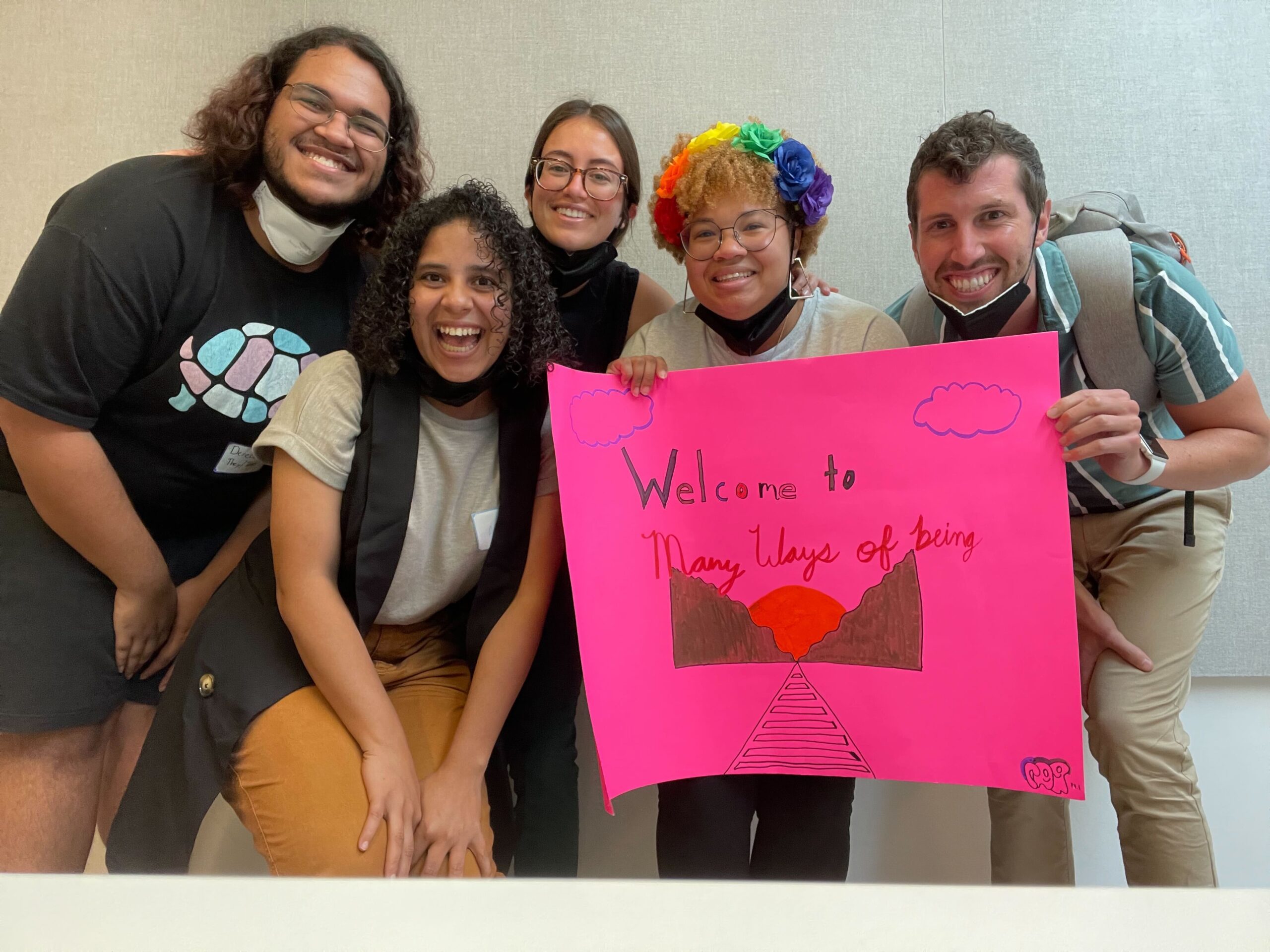
Many Ways of Being is a sex education curriculum focused on gender equity, healthy relationships, & safer sex practices. This inclusive, youth-centered program can be implemented in schools and community centers with youth of all genders ages 15-19.
 English
  Français
  Português do Brasil
  Español de México