Reflections from the first ever MenCare Changemaker Summit in Rio de Janeiro
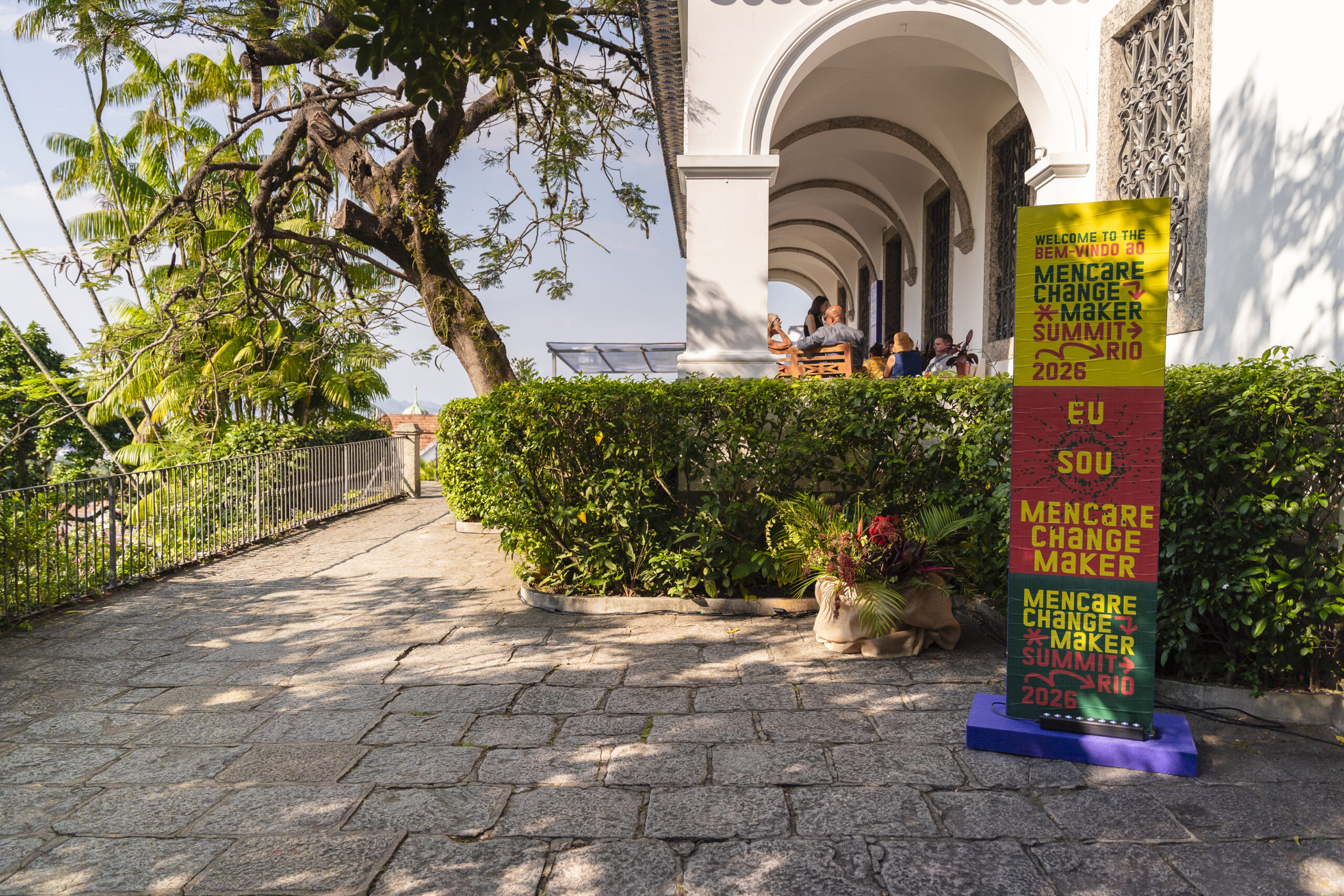
I just got back from Rio de Janeiro after attending the first ever MenCare Changemaker Summit.
I went there to document stories and key moments from the summit. Instead, I came home falling in love with my job even more than before.
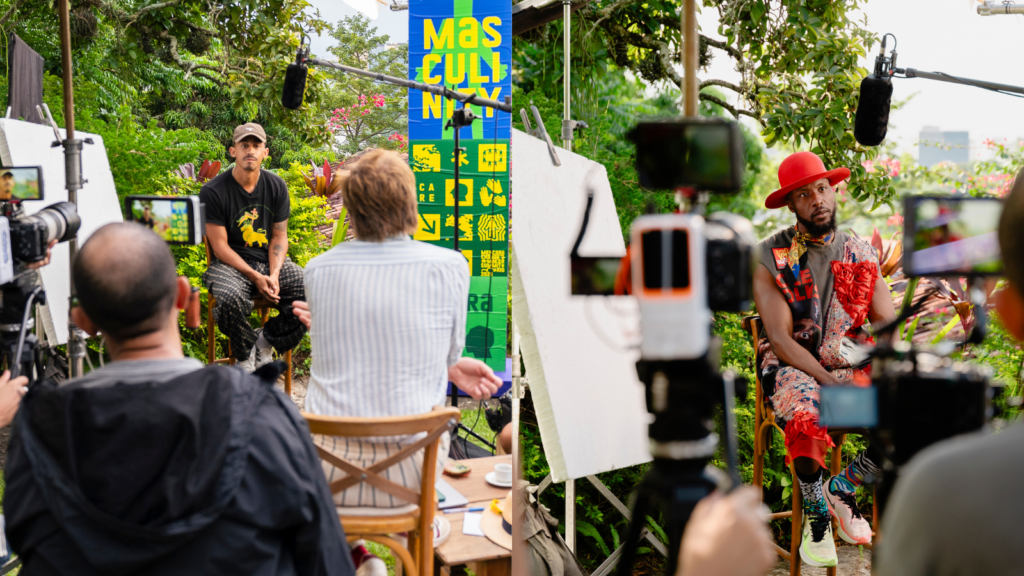
I’m the Senior Communications Associate at Equimundo. Every day, I get to work alongside some of the world’s leading experts on gender equality and masculinities. I spend my days in conversations about care, fatherhood, violence prevention, feminism, and what it means to build a more caring world.
It’s a privilege, but it can also feel like a bubble. Within Equimundo, we share a common language and understanding of why gender equality and caring manhood are deeply connected. Outside of work, those conversations can be harder to find. When people ask what I do, I often struggle to explain it in a way that captures both its complexity and its urgency.
Rio was different.
For four days, I was surrounded by hundreds of people from around the world who, despite their vastly different backgrounds and experiences, shared a commitment to care. They came from different sectors, spoke different languages, and approached this work from different perspectives. Yet there was a remarkable sense of common purpose.
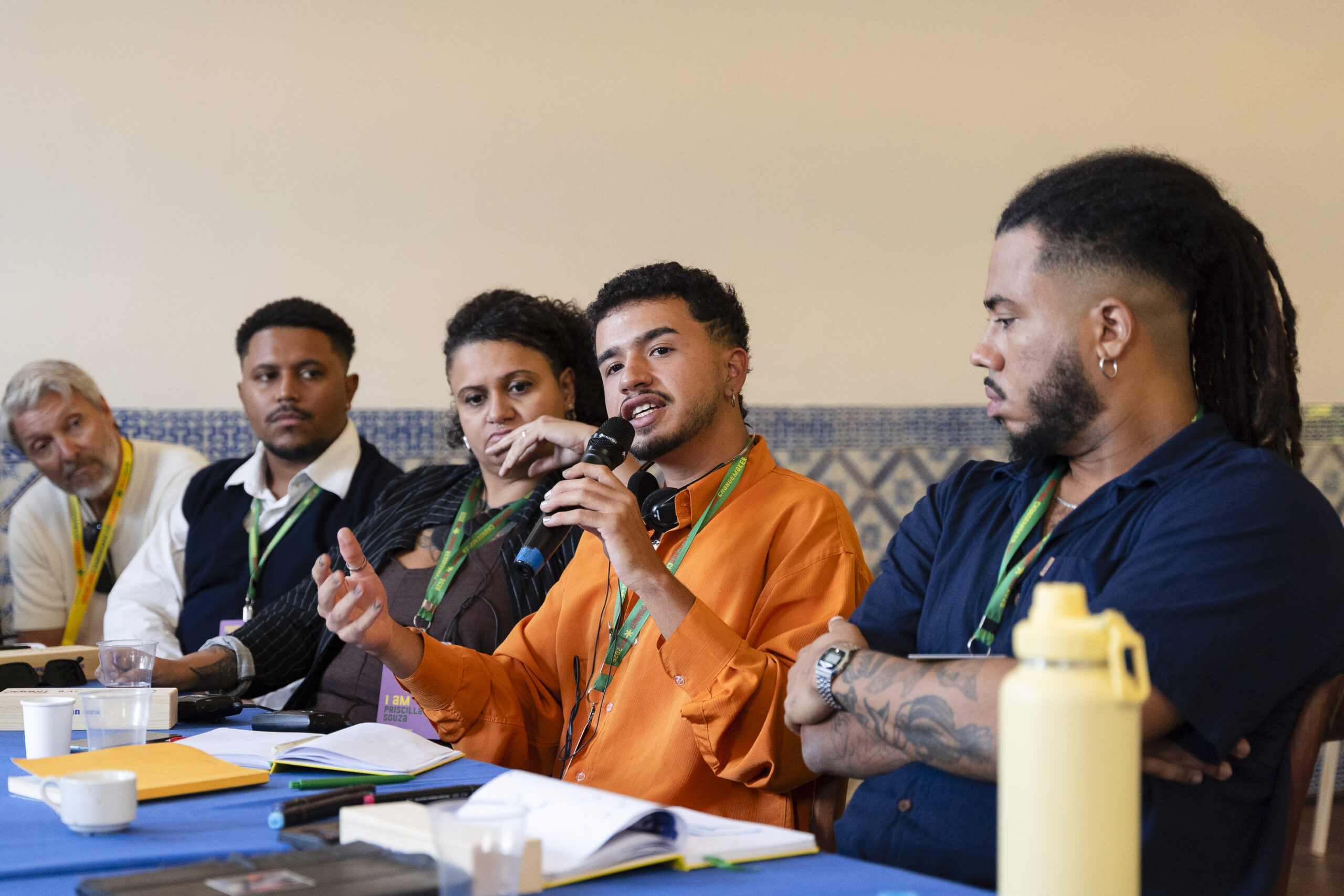
What united people wasn’t agreement on every issue. It was a belief that men are capable of care, that men deserve care, and that caring for boys and men is essential to building a safer, more equal world for everyone.
There is something profoundly hopeful about being in a space where that idea is taken seriously.
The moment that brought this home for me came on the third day of the summit during the Boys and Men Festival.
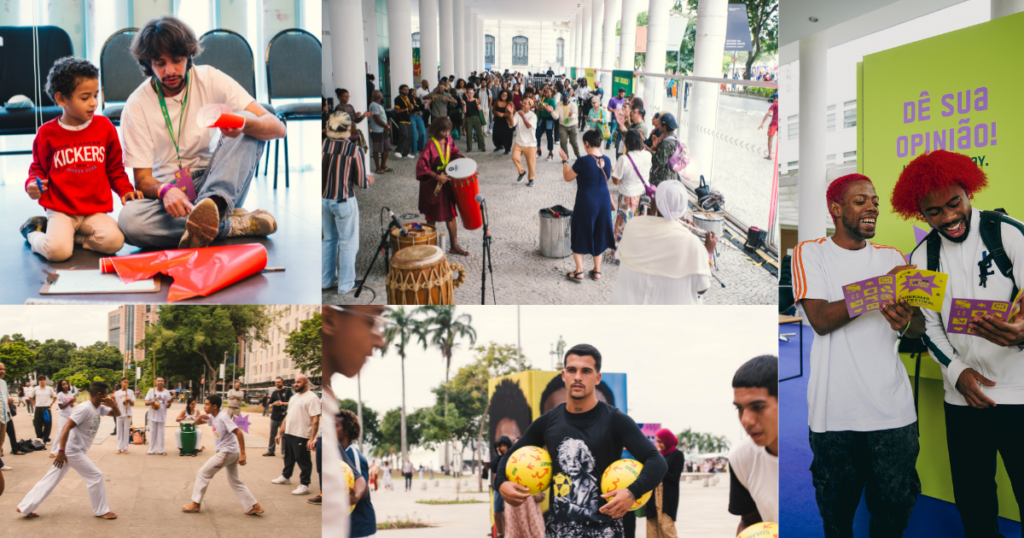
For one day, Rio’s Museum of Tomorrow and the Rio Museum of Art became gathering spaces for conversations about boys, men, care, and gender equality. The festival was open to the public and felt unlike any conference event I had attended before.
Between the museums stood British-Nigerian artist Kay Rufai’s S.M.I.L.E-ing Boys Project, a photography exhibition featuring portraits of young Black boys and men from Rio’s Maré favela. The images showed them laughing, smiling, and sharing moments of connection. What struck me most was how unusual these images felt. So often, stories about marginalized communities focus on hardship, violence, or struggle. Rufai’s work offered something different: joy.
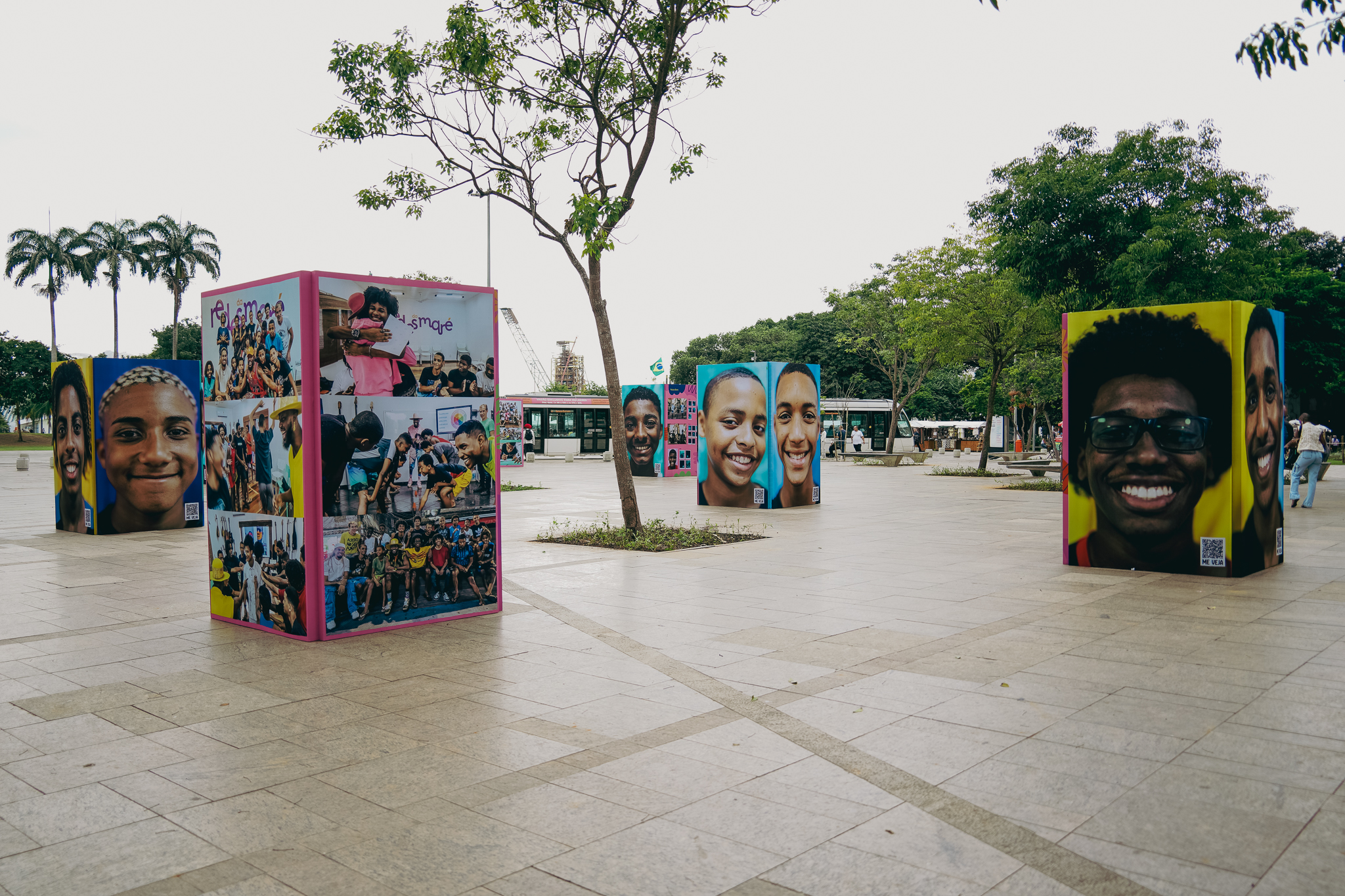
That theme carried throughout the festival.
People moved between workshops on braiding hair, knitting, drumming, altinha, and passinho. Others attended discussions with gender experts, activists, artists, and community leaders from Brazil and around the world. As the day turned into evening, the festival culminated in performances by AVUÁ and a samba circle led by Noite das Estrelas.
What has stayed with me after the festival is a sense of profound hope.
The festival felt like a reminder that care is not only something we advocate for through policy or research. Care is also something we experience. It exists in creativity, in play, in community, and in the feeling of belonging. It exists in spaces where people are invited to participate rather than simply observe.
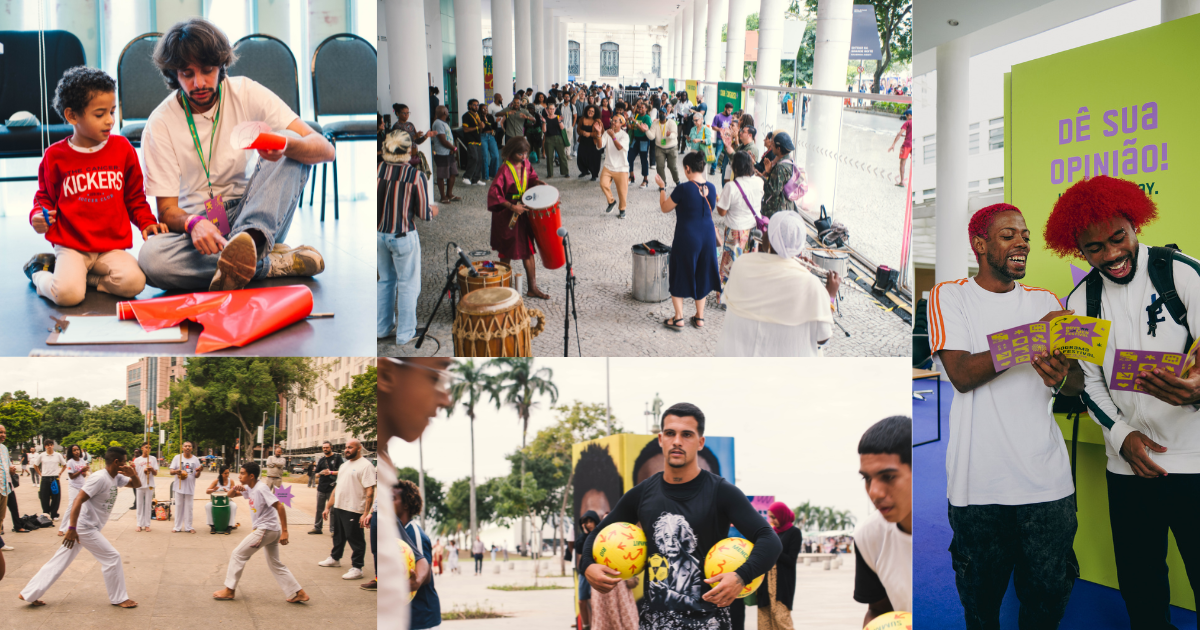
We often talk about care in practical terms: parental leave, health systems, violence prevention, education, and public policy. Those conversations matter enormously. But care also has an emotional dimension that is sometimes overlooked.
Joy matters.
Not as a distraction from social change, but as part of it.
The Boys and Men Festival demonstrated what can happen when people are given space to connect through curiosity, creativity, and culture. It showed that conversations about masculinities do not have to be driven solely by crisis or harm. They can also be driven by possibility.
One of my favorite moments came from spoken-word poet Sam Browne, who reflected on the conversations people would continue having after the festival ended. The most important conversations, he suggested, might not happen on stage at all. They would happen later, with friends, family members, colleagues, and communities.
That idea has stayed with me because it speaks to how change actually happens.
Movements grow through relationships. Through stories. Through conversations that continue long after an event ends.
Perhaps that’s why I came home feeling even more connected to my work than before. Documenting these stories isn’t separate from the work of building a more caring world. It is part of the work.
By telling stories, sharing experiences, and creating spaces for reflection, we invite more people into the conversation. We make care visible. We make joy visible. And in doing so, we remind each other that both are possible.
Everyone deserves the right to joy.
And where there is joy, there is often care.
 Español de México
  English
  Français
  Português do Brasil