Para consultas da mídia, entre em contato com:  press@equimundo.org
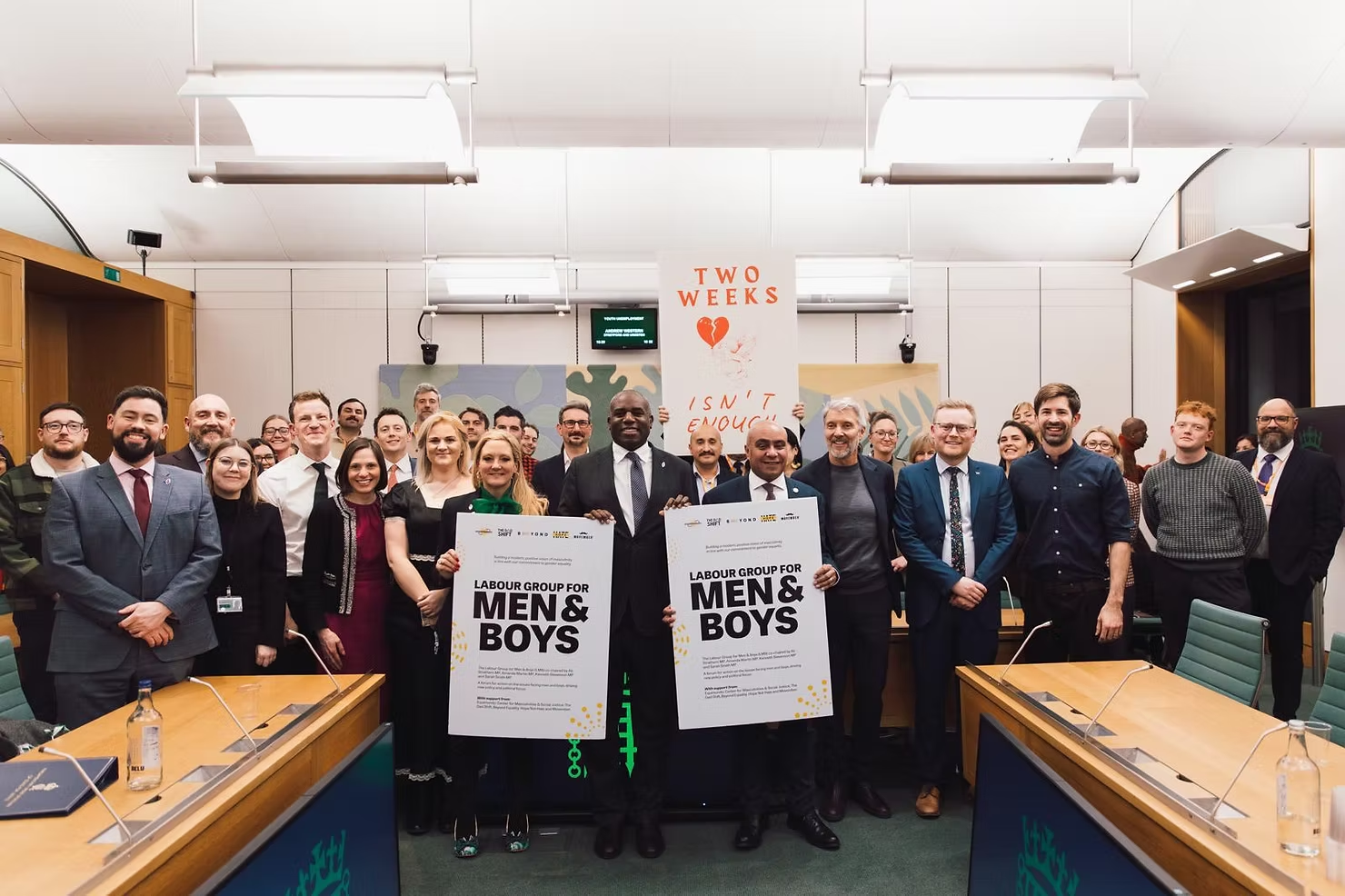
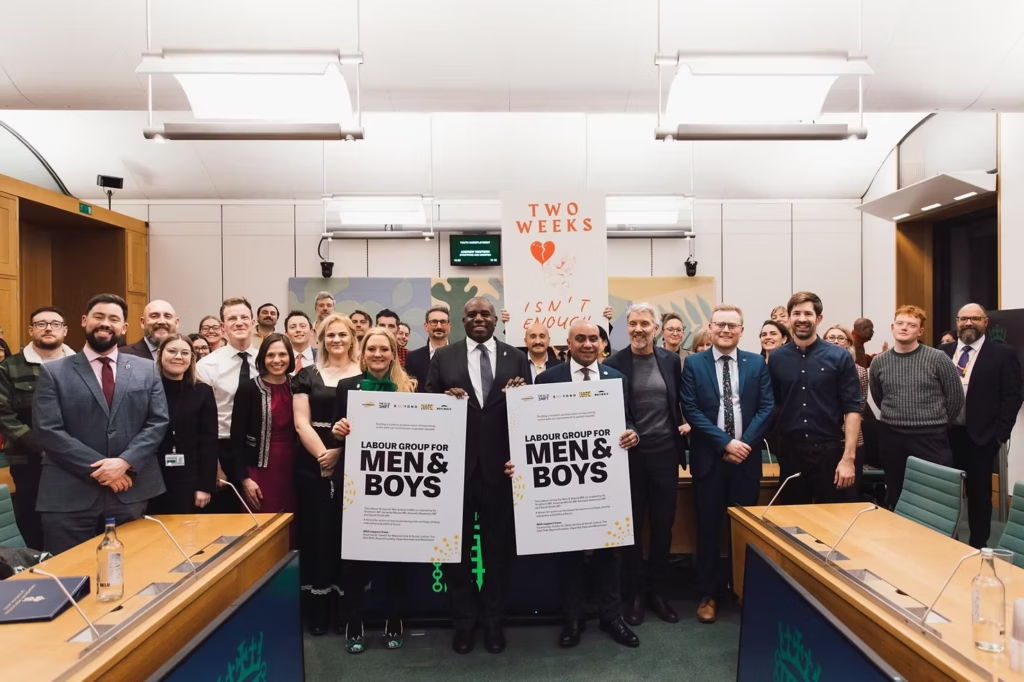
London, U.K. – Last week, Equimundo was part of the launch of the Labour Party’s new Group for Men and Boys at the UK Parliament, alongside Deputy Prime Minister David Lammy and MPs from across the Labour Party and colleagues from the Dad Shift, Hope Not Hate, Beyond Equality and Movember. The event marked the formal start of the Labour Party’s effort to address the lived realities facing working men and boys across the UK – from education and health to work, care, and belonging. Crucially, it signaled a growing willingness among progressive leaders to engage these issues directly, in ways that complement – rather than compete with – the rights of women, girls, and people of all gender identities.
For too long, conversations about the challenges facing men and boys have often been shaped by reactive or polarizing frames, rather than by approaches grounded in gender equality and care. Gaps have often been filled by voices offering simplistic explanations, narrow models of masculinity, and zero-sum narratives that pit groups against one another. What made this moment different was its intent and tone: a deliberate effort to engage men and boys as part of a broader, inclusive project of social justice.
The conversation was grounded in lived realities. MPs spoke candidly about boys falling behind at every stage of education; men’s mental health and suicide; insecure work; limited access to care; and the influence of online spaces that amplify anger, isolation, and misinformation. These are not marginal issues. They shape family life, community cohesion, and trust in public institutions.
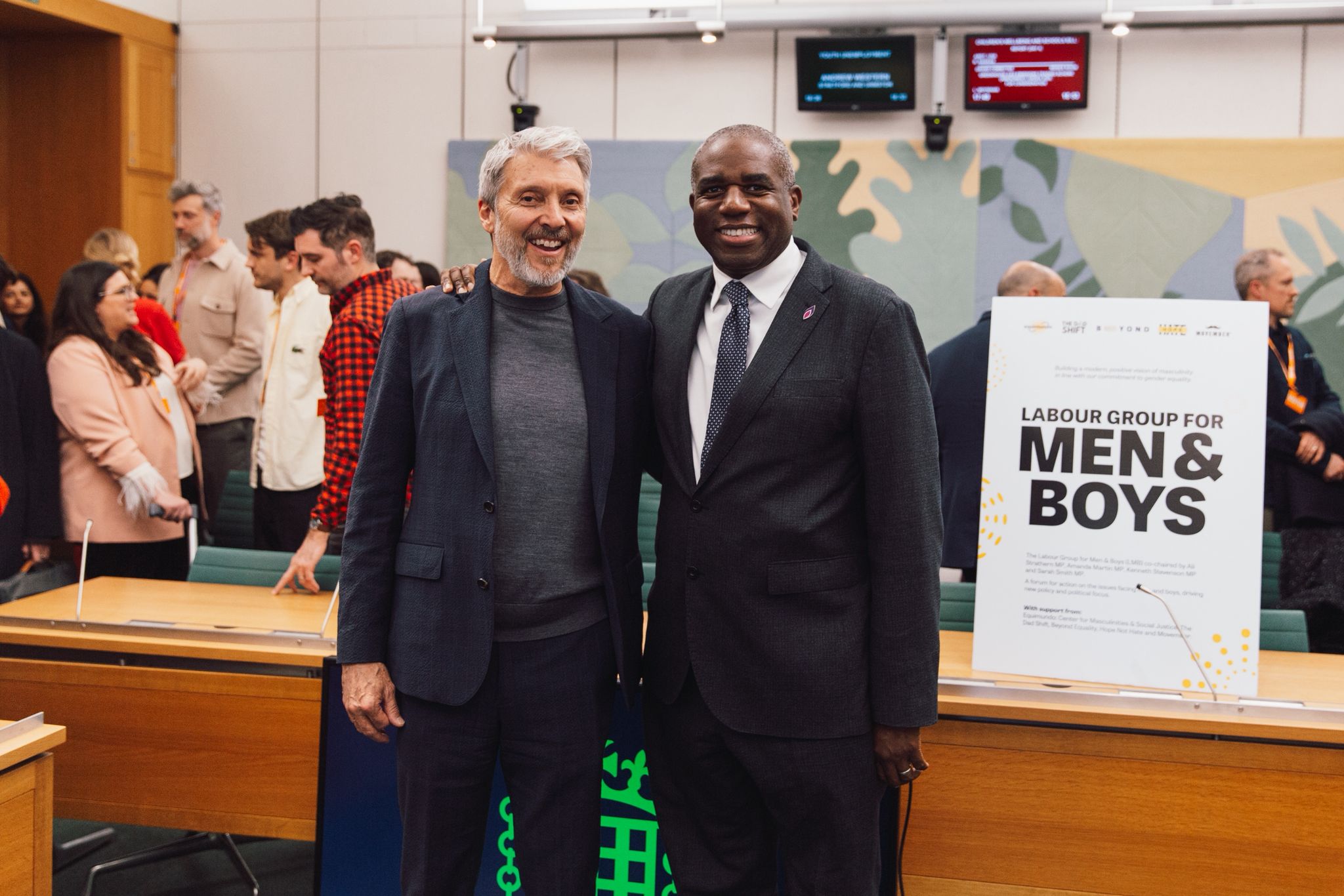
David Lammy argued that progressives must lead in this space rather than retreat from it, emphasizing that this work strengthens rather than undermines gender equality. As he put it:
“This is a big agenda. It, of course, enhances the rights and addresses the gender disparities that we see with women and girls, but it can also exist in its own right … and we should not be ashamed, nervous or worried about being in this territory.”
That framing matters. When political leaders acknowledge the challenges facing men and boys without panic or blame, they help close the gap between gender justice as a principle and people’s everyday experiences. They also reduce the space for movements that thrive on grievance and division by offering something more credible and humane in its place.
Equimundo Founder and CEO, Gary Barker, reinforced this perspective, cautioning against quick fixes and crisis-driven narratives. He emphasized the need for thoughtful, evidence-based policies that engage men and boys as part of the solution. He said:
“So much of the conversation about men and boys has had a tone of panic and the responses have too often been quick-fix. This conversation takes the field where we need to go. We need considered, thoughtful policies and this takes us in that direction. We’re thrilled to be a part of it.”
This reflects Equimundo’s work globally: partnering with communities, governments, and institutions to promote models of masculinity rooted in care, responsibility, and equality, and to advance the rights and wellbeing of people of all genders.
The Labour Group for Men and Boys unites MPs working on men’s mental health, paternity and caregiving policies, and health strategies, aiming to better represent working men and boys while promoting an inclusive, modern vision of masculinity aligned with gender equality. This launch is not an isolated event. In the months ahead, the group plans to listen, benchmark, and translate ideas into concrete policy commitments. Equimundo will continue to contribute global evidence and practical experience to this work, supporting approaches that prioritize impact, inclusion, and long-term change.
When institutions engage men and boys seriously, without positioning them against women, girls, or people across the gender spectrum, the benefits extend outward. Health improves. Relationships strengthen. Communities become more resilient. And the possibility of more inclusive and humane politics becomes not just possible but probable.
Tem dúvidas ou quer cobrir esta história?
Entre em contato conosco em press@equimundo.org
 Português do Brasil
  English
  Français
  Español de México